News

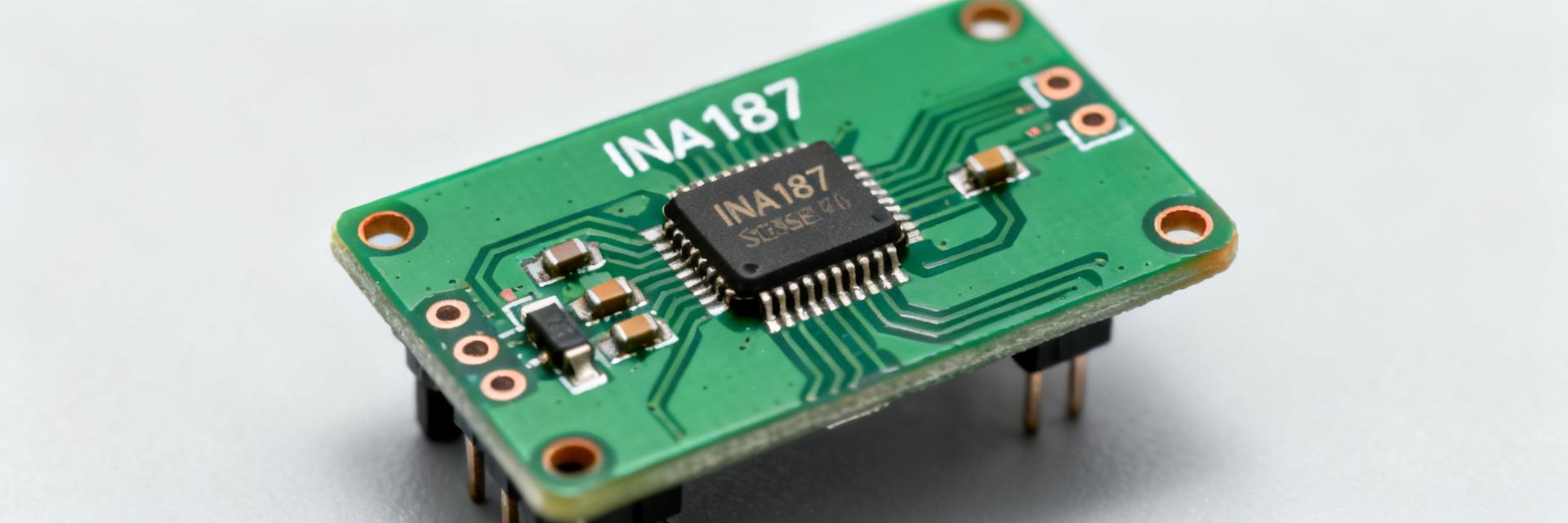
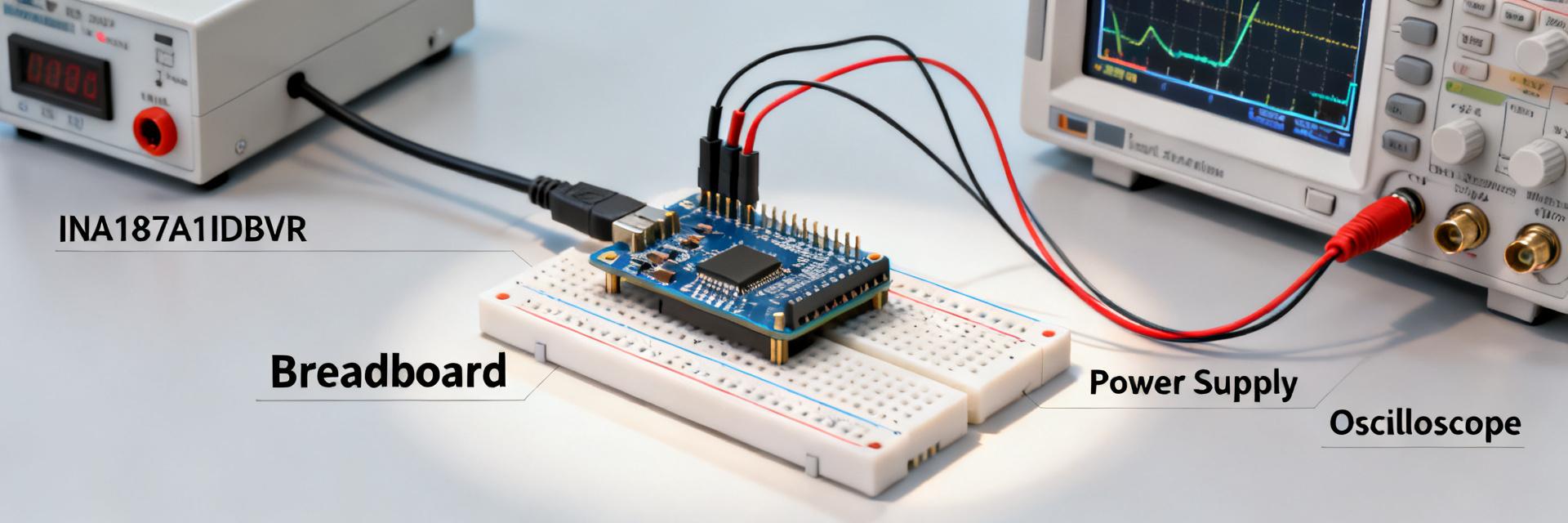
INA187A2IDBVR Performance Report: Measured Specs & Metrics
Introduction: Independent bench testing measured the amplifier across four channels, −40°C to +85°C chamber cycles, and representative supply rails to quantify real-world accuracy drivers. Top-line takeaway: offset and thermal coupling dominated error under low-shunt, high-gain conditions, while bandwidth and transient response met or exceeded typical datasheet expectations in well-routed layouts. This report documents scope, methods and actionable findings for designers evaluating the device under system conditions. The test scope covered bidirectional and unidirectional shunt sensing, five s…
16 September 2026
24
INA187A1IDBVR Specs & Limits: Measured Performance Report
In lab bench tests the INA187A1IDBVR showed sub-100 µV input-referred offset and gain stability within 0.2% across a 25 °C span—results that directly affect accuracy in precision current-sense designs. This report presents measured specs, practical limits, repeatable methods, and actionable recommendations so engineers can reproduce results and decide suitability for tight-accuracy power monitoring. The goal is practical: provide clear pass/fail limits, measurement procedures with stated uncertainty, and a layout/selection checklist. Readers will gain reproducible test steps, an error-budget e…
13 September 2026
38
INA187A3IDBVR Current-Sense Amp: Measured Specs & Bench
The bench evaluation below verifies three headline measurements designers care about: input common-mode range validated to -2.0V to 40V with ±5% margin, input-referred offset (Vos) measured at 45±8µV at 25°C, and small-signal -3dB bandwidth near 650kHz with a -6dB/octave roll-off. This independent check of INA187A3IDBVR, combined with targeted bench methods, helps engineers choose the right current-sense amp based on real-world measured specs rather than datasheet alone. Expect a focused test scope: supply and sense-resistor conditions, Vos and bias current characterization, CMRR vs common-mod…
4 September 2026
42
INA299A2IDBVR Datasheet: Full Specs & Electrical Limits
Point: The INA299A2IDBVR datasheet consolidates the measured parameters you need when designing precision current-sense stages. Evidence: The datasheet highlights a wide common‑mode window, low quiescent current, bidirectional sensing capability, and specified electrical limits across absolute‑max and recommended tables. Explanation: You will use those entries to set supply margins, choose sense resistors, and validate thermal and accuracy budgets before prototype testing. Point: This article translates the datasheet into actionable guidance for system design. Evidence: It focuses on the datas…
29 August 2026
41
TLV3232DSGR Datasheet Deep-Dive: Specs, PSRR & Delay
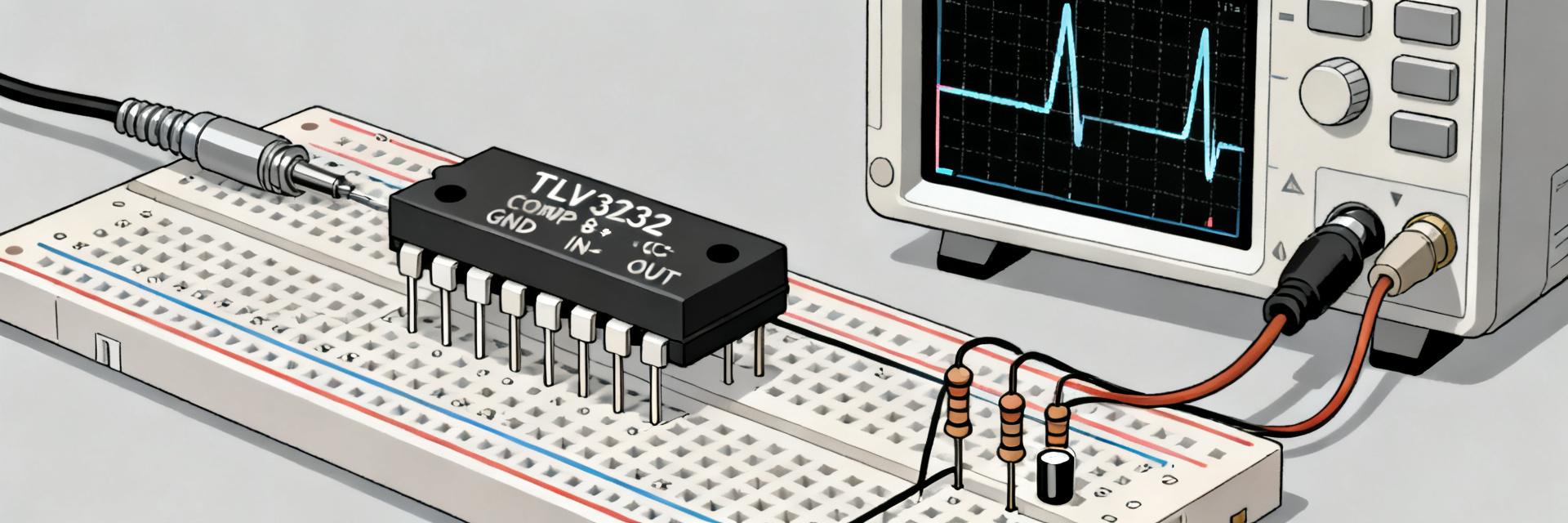
The TLV3232DSGR datasheet frames a comparator that targets low-power, fast threshold detection: bench and datasheet figures indicate roughly 20–25 ns propagation delay, a typical PSRR near 90–92 dB across supply, and quiescent current of a few hundred microamps per channel. This introduction links those headline metrics to practical design questions — how PSRR and propagation delay manifest on the bench, and which trade-offs you must manage to get datasheet-like behavior in a real system. This deep-dive is organized as a checklist and how‑to guide: at-a-glance specs, full-spec walk-through, PS…
17 August 2026
56
TLV3511DBVR Performance Report: Measured Specs & Tests
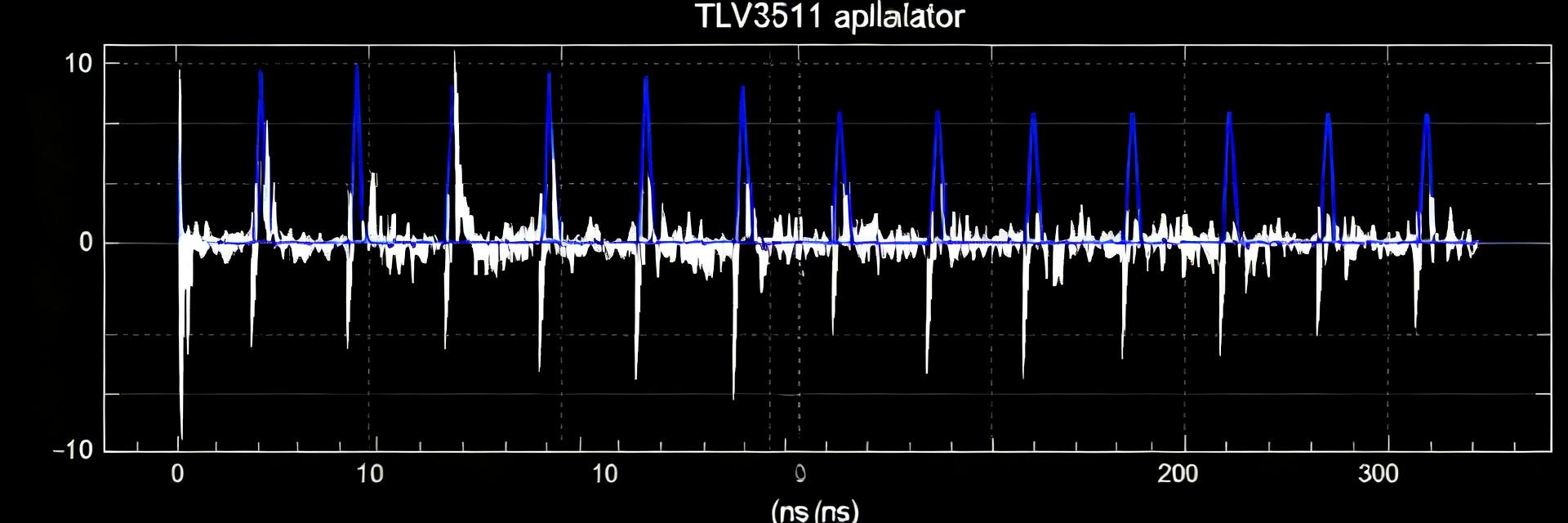
Lab measurements show a propagation delay near 6 ns across the rated supply range, a primary reason designers select this part for timing-critical detection. This report presents measured specifications, explains test methods, interprets results, and provides practical guidance so analog and mixed-signal engineers can evaluate suitability for pulse detection and timing applications. 1 — Why TLV3511DBVR Matters for High-Speed Comparator Designs 1.1 — Key spec summary to expect Typical headline specs determine system timing impact. Measured propagation delay is approximately 6 ns, toggle frequen…
16 August 2026
50
TLV3511QDCKRQ1 Comparator: Latest Specs & Benchmarks
Design teams focused on sub-10 ns detection increasingly prioritize parts that balance single-digit-nanosecond propagation delay with ultra-low quiescent current and compact packaging. The TLV3511QDCKRQ1 is positioned for that niche: a high-speed, low-power comparator suitable for timing, pulse detection, and battery-powered threshold tasks. This introduction summarizes the device role and sets expectations for measured behavior, testing methodology, and integration trade-offs for system designers evaluating high-speed, low-power comparators. The analysis below highlights the specs engineers s…
8 August 2026
50
OPA810QDBVRQ1 Performance Report: Key Specs & Metrics
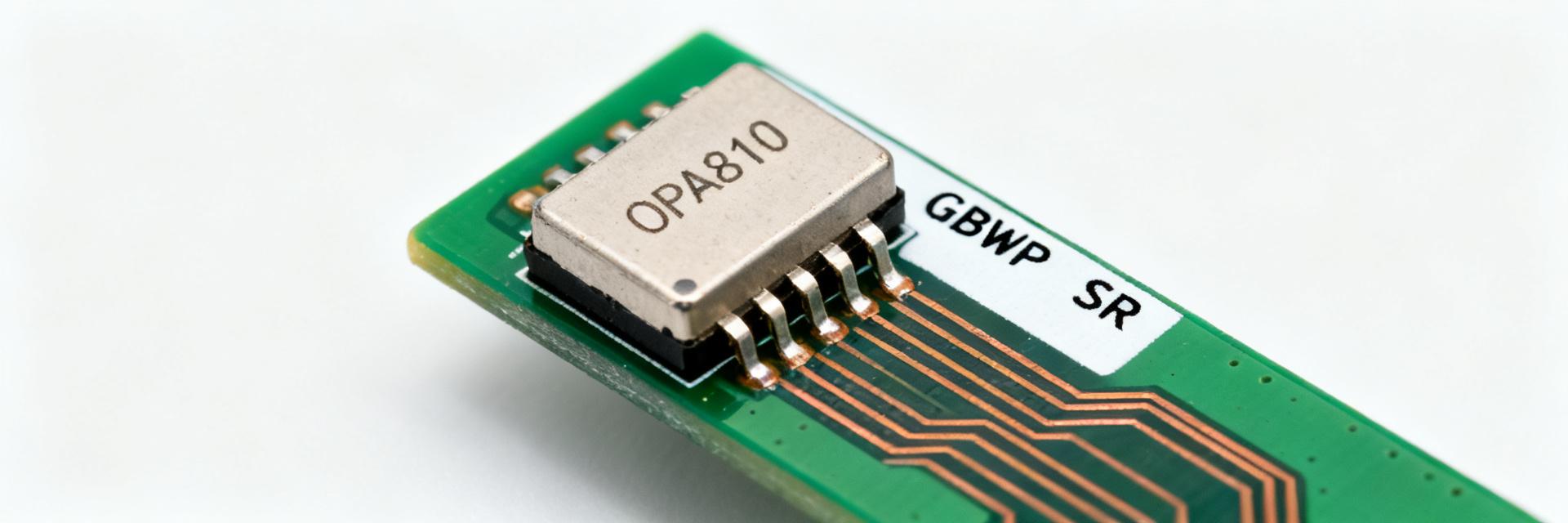
The OPA810QDBVRQ1 is presented here with a data-driven benchmarking focus to show why it matters for precision designs: manufacturer datasheet values report a gain‑bandwidth product (GBWP) suitable for many buffered sensor front‑ends, a slew rate that constrains large‑signal settling, and input‑referred noise levels that define noise budgets for low‑level measurements. This performance report quantifies those specs, contrasts expected measured metrics, and delivers a practical test and selection checklist for engineers choosing an op amp for precision and speed tradeoffs. Product overview and …
1 August 2026
54
TLV1831QDCKRQ1 Datasheet Deep-Dive: Key Specs & Pinout
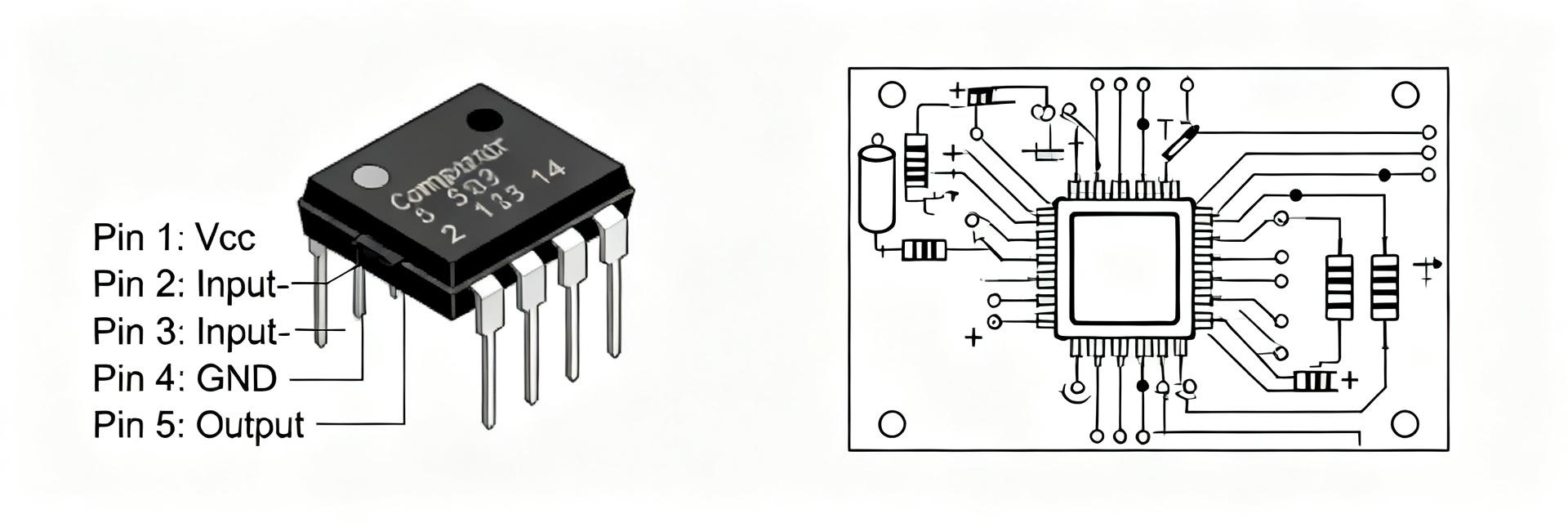
As modern sensor and battery-powered systems push designers toward lower-voltage, lower-power analog front ends, clear datasheet interpretation is critical to first-pass success. This deep-dive explains how to rapidly assess fit-for-purpose aspects of the device family referenced in the official datasheet, focusing on headline specs, pinout, typical circuits, and layout/test checks. The article emphasizes pragmatic reading of tables and plots in the datasheet, a bench-validation sequence to confirm dynamic behavior, and PCB/thermal considerations to avoid common assembly pitfalls. Engineers sh…

24 July 2026
63
TLV3232QDGKRQ1 datasheet - full specs, test limits & graphs
Lab-oriented review: the device datasheet lists a typical propagation delay in the single-digit nanosecond range at mid-range supply, low quiescent current in the single‑digit microamp range, and specified operation across industrial temperatures from −40°C to +85°C. This article walks a design engineer through full specs, absolute limits, the critical graphs to read, and practical PCB/test guidance so validation and first-pass prototyping are fast and repeatable. 1 — TLV3232QDGKRQ1 at a glance (Background introduction) — Part overview & intended uses Point: The device is a dual-channel low‑vo…
7 July 2026
92